
Evolution of Sportswear with Fredrick International’s Custom Solutions
Join Fredrick International on a journey through the fascinating history of sportswear. Learn how our custom solutions can elevate your brand with high-quality, personalized sportswear. Explore now and design your unique line today!
History of Sportswear
The history of sportswear is a fascinating journey that reflects changes in society, fashion, and technology. From its humble beginnings to its current status as a multi-billion dollar industry, sportswear has evolved to meet the needs of athletes and active individuals worldwide.
Early Beginnings
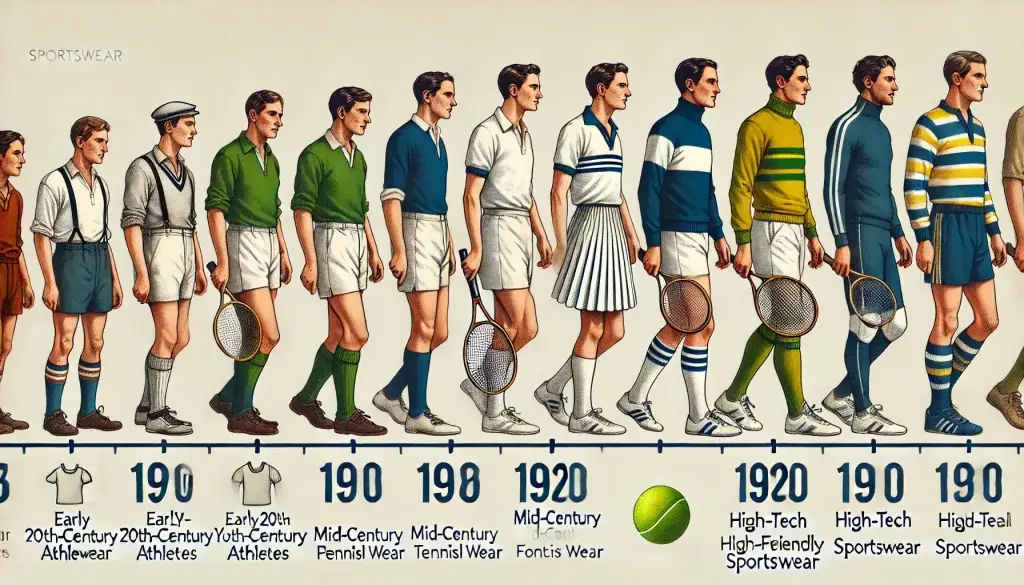
In the late 19th and early 20th centuries, sportswear as we know it today did not exist. Athletes often wore everyday clothes when participating in sports. However, as the popularity of sports grew, so did the need for specialized clothing. The earliest sportswear items were designed for specific activities like cricket, tennis, and cycling.
1920s to 1930s: The Rise of Functional Sportswear
The 1920s saw the emergence of more functional sportswear. Tennis players like Suzanne Lenglen popularized pleated skirts and comfortable, loose-fitting tops. The focus was on allowing freedom of movement while maintaining a stylish appearance. During the 1930s, innovations such as elastic waistbands and lighter fabrics began to appear, enhancing both performance and comfort.
1940s to 1950s: Sportswear Goes Mainstream
The post-war era significantly changed sportswear. The 1940s and 1950s saw sportswear becoming mainstream, with brands like Adidas and Puma emerging as key players. This period also marked the introduction of synthetic fabrics like nylon, which offered better durability and flexibility.
1960s to 1970s: The Fitness Boom
The 1960s and 1970s were pivotal decades for sportswear. The fitness boom led to increased demand for specialized athletic apparel. Lycra was introduced, revolutionizing the industry with its stretchability and comfort. Iconic brands like Nike were founded, emphasizing performance and innovation.
The 1980s: The Era of Branding
The 1980s saw sportswear transform into a fashion statement. Thanks to high-profile endorsements from athletes and celebrities, brands like Nike, Adidas, and Reebok became household names. The iconic Air Jordan line debuted in 1984, seamlessly blending sports and fashion.
1990s: Technological Advancements
The 1990s brought significant technological advancements in sportswear. Moisture-wicking fabrics, improved breathability, and enhanced durability became standard features. The focus shifted towards creating clothing that could improve athletic performance while offering maximum comfort.
2000s to Present: The Athleisure Trend
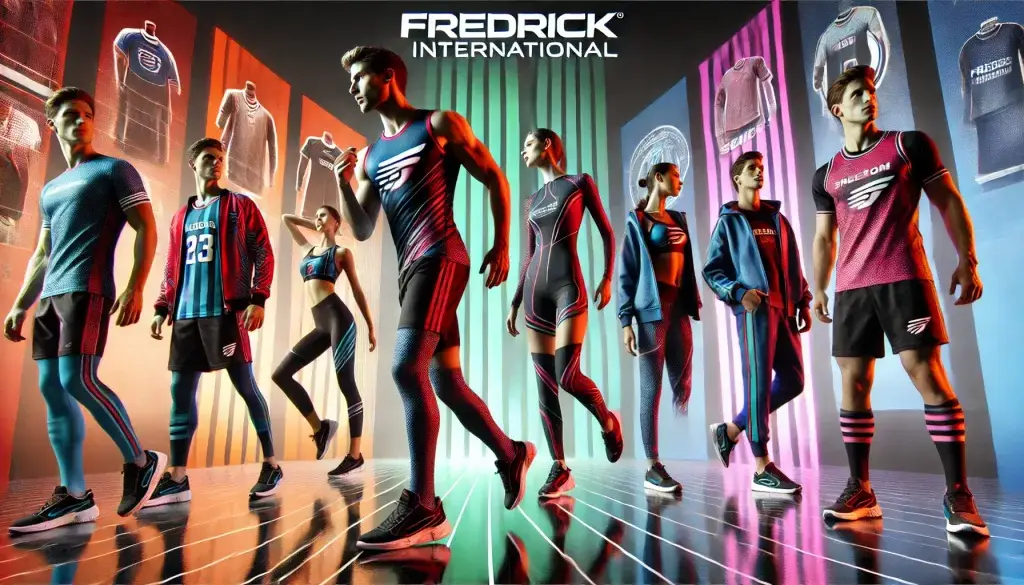
In the 2000s, the lines between sportswear and casual wear began to blur, giving rise to the athleisure trend. Sportswear became acceptable for everyday wear, with leggings, hoodies, and sneakers dominating wardrobes. Sustainable and eco-friendly materials also gained traction, reflecting growing environmental consciousness.
Interesting Stats about Sportswear
- Global Market Value:
- The global sportswear market was valued at approximately $379 billion in 2022 and is projected to reach $510 billion by 2027, growing at a compound annual growth rate (CAGR) of 6.6%.
- Top Brands:
- Nike is the leading sportswear brand, with a brand value of around $34.8 billion in 2021. Adidas follows closely, with a brand value of approximately $16.5 billion.
- Consumer Spending:
- On average, consumers in the United States spend about $500 annually on sportswear and athletic shoes.
- Athleisure Popularity:
- Athleisure accounts for nearly 30% of the total sportswear market, reflecting the trend of wearing athletic clothing in non-athletic settings.
- Online Sales Growth:
- Online sportswear sales have surged, with e-commerce accounting for over 25% of total sportswear sales in 2023, a significant increase from just 10% in 2015.
- Sustainable Sportswear:
- Approximately 60% of consumers are willing to pay more for sustainable sportswear. Brands increasingly use recycled materials, with some companies reporting that up to 90% of their products are made from sustainable fabrics.
- Innovative Fabrics:
- The market for smart fabrics, including moisture-wicking, temperature-regulating, and compression fabrics, is expected to grow by 10% annually, reaching $5.3 billion by 2025.
- Gender Distribution:
- Women’s sportswear sales have seen a rapid increase, growing by 7.5% annually, compared to men’s sportswear growth of 5.8%. Women now make up nearly 45% of the total sportswear market.
- Regional Insights:
- North America leads the global sportswear market, followed by Europe and the Asia-Pacific region. The Asia-Pacific region is expected to experience the highest growth rate, driven by increasing health consciousness and rising disposable incomes.
- Youth Market:
- The youth sportswear market is booming, with a CAGR of 8.2%. This growth is fueled by the increasing participation of young people in sports and fitness activities.
- Endorsement Impact:
- Celebrity endorsements and athlete sponsorships significantly impact sales. For instance, the release of Nike’s Air Jordan line saw an immediate sales boost, with the brand selling over $100 million worth of Air Jordans in the first year alone.
- Innovations in Customization:
- Custom sportswear has seen a rise in popularity, with approximately 40% of consumers interested in personalized athletic gear. Advances in technology, such as 3D printing, are making it easier and more cost-effective to produce custom designs.
- Fitness App Integration:
- Wearable sportswear integrated with fitness tracking technology has grown in demand. Nearly 20% of sportswear now includes some form of smart technology, helping athletes monitor performance metrics in real-time.
- Sports Participation Rates:
- Increased sports participation has driven demand for sportswear. In the US, around 20% of adults engage in fitness activities daily, boosting the need for quality sportswear.
- Market Segmentation:
- Performance sportswear makes up 55% of the market, with casual wear accounting for the remaining 45%. This split indicates the strong demand for both specialized and everyday athletic clothing.
FAQs:
What is custom sportswear? It refers to athletic clothing designed and produced to meet individual or team specifications. This can include personalized designs, colors, logos, and other features to create unique apparel representing a brand, team, or personal style.
How is custom sportswear different from retail sportswear? Retail sportswear is mass-produced and available for general purchase, while custom is tailored to specific requirements. It offers unique designs and fits that are not available in standard retail collections, providing a personalized touch.
What are the benefits of custom sportswear? They offer several benefits, including:
- Unique design and branding
- Better fit and comfort
- Enhanced performance features tailored to specific needs
- Team unity and spirit through matching apparel
- Potential marketing and promotional advantages for brands
How do I start designing custom sportswear? To start designing:
- Identify your needs and goals (e.g., team uniforms, fitness apparel).
- Choose a reputable custom sportswear provider.
- Select the type of garments and materials.
- Create your design, incorporating logos, colors, and any specific features.
- Work with the provider to finalize the design and place your order.
What materials are commonly used in custom sportswear? Common materials include:
- Polyester: Durable, lightweight, and moisture-wicking.
- Lycra/Spandex: Provides excellent stretch and comfort.
- Nylon: Strong and abrasion-resistant.
- Cotton: Soft and breathable, often blended with synthetic fibers for better performance.
How long does it take to produce custom sportswear? Production times vary depending on the complexity of the design and the quantity ordered. From design approval to delivery, it can take anywhere from 2 to 6 weeks. Always check with your provider for specific timelines.
Can I order custom sportswear in small quantities? Yes, many providers offer small quantity orders, though the minimum order quantity (MOQ) may vary. Some providers specialize in small batch production, making it accessible for individuals or smaller teams.
How do I ensure the quality of custom sportswear? To ensure quality:
- Choose a reputable and experienced provider.
- Request samples before placing a large order.
- Check customer reviews and testimonials.
- Ensure the provider uses high-quality materials and manufacturing processes.
Is custom sportswear more expensive than retail sportswear? it can be more expensive due to the personalized design and production process. However, the cost is often justified by the unique benefits and superior fit and performance. Bulk orders can help reduce per-unit costs.
How do I care for my custom sportswear? Care instructions vary based on the materials used. Generally, follow these tips:
- Wash in cold water with like colors.
- Use a gentle detergent.
- Avoid bleach and fabric softeners.
- Hang to dry, or use a low-heat tumble dry setting.
- Follow any specific care instructions provided by the manufacturer.
Can I create custom sportswear for any sport? Yes, it can be designed for any sport, including but not limited to:
- Soccer
- Basketball
- Running
- Cycling
- Yoga
- Gym and fitness activities
- Team sports like baseball, football, and volleyball
What customization options are available? Customization options include:
- Colors and patterns
- Logos and branding
- Player names and numbers
- Fabric choices and features (e.g., moisture-wicking, UV protection)
- Design elements like sleeves, collars, and fit styles
Are there eco-friendly options for custom sportswear? Yes, many providers offer eco-friendly options, such as fabrics made from recycled materials or sustainable production practices. If sustainability is important to you, inquire about these options with your provider.
What are the latest trends in custom sportswear? Current trends include:
- Athleisure: Blending sportswear with casual wear for everyday use.
- Sustainable materials: Increasing demand for eco-friendly fabrics.
- High-tech fabrics: Features like moisture-wicking, temperature regulation, and compression.
- Bold colors and patterns: Eye-catching designs that stand out.
How do I choose the right provider for custom sportswear? Consider the following when selecting a provider:
- Experience and expertise in custom sportswear.
- Quality of materials and manufacturing.
- Range of customization options.
- Customer reviews and testimonials.
- Pricing and minimum order quantities.
- Production and delivery timelines.
Final Thoughts
The history of sportswear showcases an incredible evolution driven by innovation, fashion, and the demands of athletes and active individuals. From the early days of simple cotton jerseys to today’s high-tech, eco-friendly fabrics, sportswear has come a long way.
Fredrick International is at the forefront of this exciting journey, offering customized solutions tailored to your needs. Whether you’re a sports team, fitness enthusiast, or a brand looking to make a mark, our expert private labeling services help you create high-quality, personalized sportswear.
Ready to elevate your brand with custom sportswear from Fredrick International? Contact us today to start designing your unique sportswear line. What are your specific needs and goals for custom sportswear?