D1 in Sports: Means, Compete, and Scholarship Opportunities
The term ‘D1 in Sports What It Means, How to Compete, and Scholarship Opportunities’ is used to refer to NCAA Division 1, the highest level of college athletics. D1 in sports: What it means, how to compete, and scholarship opportunities. If you’re questioning the requirements for competing at this level, how it differs from D2 and D3, or what scholarships and future opportunities entail, you’re not alone.
Many athletes and parents feel overwhelmed by the process. But don’t worry, we’ve got you covered. This guide provides a simple explanation of the competition, commitment, and benefits of being a D1 athlete.
What Does D1 Mean in Sports?
If you’ve ever heard someone say they play “D1,” they’re talking about NCAA Division 1—the highest level of college athletics. This division is home to the most competitive programs, the most intense training schedules, and the biggest athletic scholarships. Think of powerhouse schools like Alabama football, Duke basketball, and Stanford swimming. These programs don’t just compete; they set the standard.
Breaking Down NCAA Division 1
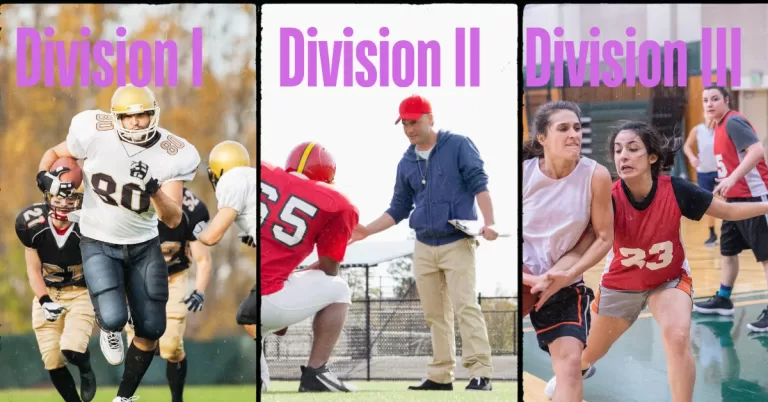
The National Collegiate Athletic Association (NCAA) is the governing body of college sports in the U.S., and it divides schools into three divisions:
| Division | Competition Level | Scholarship Availability | Athlete Commitment |
|---|---|---|---|
| D1 | Elite; highest level | Full & partial scholarships | Full-time commitment; rigorous training |
| D2 | Competitive but lower than D1 | Fewer full scholarships, more partial | Strong balance between sports & academics |
| D3 | Less competitive | No athletic scholarships | Focus on academics, athletics as a complement |
D1 schools have the largest athletic budgets, attract top-tier athletes, and often play on national TV. These programs are highly selective, meaning not just anyone can walk onto a D1 roster.
D1 vs. D2 vs. D3: What’s the Difference?
While all NCAA divisions offer competitive athletics, there are some key distinctions:
- Scholarships – D1 programs offer the most, with many full-ride opportunities, while D2 schools typically provide partial scholarships. D3 schools don’t offer athletic scholarships but may have strong academic financial aid.
- Time Commitment – D1 athletes train year-round, with grueling schedules that can feel like a full-time job. D2 offers more balance, and D3 allows the most flexibility for academics and other interests.
- Level of Play – D1 teams recruit the best high school and international athletes. D2 is still highly competitive, but the talent pool is slightly smaller. D3, while still intense, has fewer high-profile recruits.
Check out Understanding D1, D2, and D3 in College Sports
Why D1 Stands Above the Rest
Playing at a D1 school isn’t just about competing—it’s about performing at an elite level. These programs have:
✅ State-of-the-art facilities – From world-class gyms to top-tier medical staff, D1 schools invest heavily in their athletes.
✅ National exposure – Many games are televised on major networks, giving athletes a platform to showcase their skills.
✅ Pathways to professional sports – Many D1 athletes go on to compete professionally, whether in the NFL, NBA, MLB, or Olympic sports.
✅ Full-ride scholarships – While not guaranteed, top recruits often earn tuition-free education, covering everything from housing to meals.
But it’s not all bright lights and packed stadiums. D1 comes with high expectations—rigorous training, intense competition, and pressure to perform. It’s a lifestyle, not just a game.
So, is D1 right for you? That depends on your goals, work ethic, and willingness to commit. If you’re chasing the highest level of college sports, this is where the best of the best compete.
What It Takes to Play at the D1 Level
Competing at the D1 level isn’t just about talent—it’s about dedication, discipline, and the ability to handle intense pressure. Thousands of high school athletes dream of playing D1, but only a small percentage make it. So, what separates those who get recruited from those who don’t? Let’s break it down.
Skill and Athleticism
D1 athletes aren’t just good—they’re elite. They dominate their competition in high school and often play at the national or even international level before stepping onto a college campus.
Speed & Strength – Whether it’s a football linebacker benching 300+ lbs or a basketball guard with a lightning-fast first step, physical dominance is key.
Technical Skills – Raw athleticism isn’t enough. A soccer player must have elite footwork, a baseball pitcher needs pinpoint accuracy, and a swimmer must shave milliseconds off their time.
Game IQ – Coaches look for athletes who read the game well, make smart decisions under pressure, and show leadership on and off the field.
Consistency – Flashes of brilliance won’t cut it. D1 athletes perform at a high level every game, every practice, every rep.
Think of it this way: if you’re the best player on your high school team but not dominating at club tournaments, showcases, or state championships, D1 might be a tough climb.
Training & Commitment
Being a D1 athlete is more than a commitment—it’s a lifestyle. If you’re not ready to treat your sport like a job, D1 might not be for you.
Year-Round Training – Offseason? Not really. D1 athletes train 10–20 hours per week even when they aren’t competing. Strength training, conditioning, skill work—it never stops.
Time Management – Juggling early-morning workouts, classes, practice, travel, and study sessions is a constant challenge. Many athletes wake up at 5 AM to train before classes even start.
Injury Prevention & Recovery – With the intense physical toll, athletes must prioritize nutrition, sleep, and recovery (think ice baths, stretching, and physical therapy).
Mental Toughness – The competition is relentless. Losing your spot to a better player is always a possibility. Athletes need resilience to handle setbacks, criticism, and pressure.
If you’re serious about D1, your mindset has to shift from playing for fun to preparing like a pro.
The Role of Coaches & Scouting in Recruitment
Recruiting isn’t as simple as being good and hoping a coach notices you. Coaches scout talent early, often identifying prospects as freshmen or sophomores. Here’s how they find athletes: Highlight Reels – A well-edited highlight video is crucial. Coaches don’t have time to attend every game, so your video is often your first impression.
Club & Travel Teams – High school stats mean little if you’re not competing against the best. College coaches prioritize athletes who play in elite travel leagues, AAU tournaments, or national competitions.
Athlete Outreach – Don’t wait for coaches to find you—reach out to them. Personalized emails, attending camps, and staying active on recruiting platforms (Hudl, NCSA, BeRecruited) can make all the difference.
Campus Visits & Showcases – Official and unofficial visits help athletes get in front of coaches. Many top prospects get their offers after performing well at showcase events.
If you aren’t actively marketing yourself, someone else will take that roster spot.
Common Eligibility Requirements (GPA, Test Scores, NCAA Rules)
Talent alone won’t get you into a D1 program—you need the grades too. The NCAA has strict academic requirements:
Minimum GPA – You must maintain a 2.3 GPA in core courses to be eligible. However, top programs often expect 3.0+ for competitive admission.
SAT/ACT Scores – The NCAA uses a sliding scale: the higher your GPA, the lower your required test score. But with many schools going test-optional, focus on your GPA first.
Core Course Requirements – You need 16 NCAA-approved core courses, including English, math, science, and social studies.
NCAA Eligibility Center – Every aspiring D1 athlete must register with the NCAA Eligibility Center to ensure compliance with academic and amateurism rules.
Fail to meet these requirements, and it won’t matter how talented you are—you won’t be eligible to play.
How D1 Scholarships Work
For many student-athletes, a D1 scholarship is the ultimate goal. It’s the golden ticket that can cover tuition, housing, meals, and even academic expenses. But not all scholarships are created equal, and securing one isn’t as simple as just being a great player.
Coaches have a limited number of scholarships to distribute, and how they allocate them depends on the sport, the program, and the athlete’s potential. So, let’s break it down.
Types of Athletic Scholarships Available
D1 programs offer two types of athletic scholarships:
✅ Full-Ride Scholarships – Covers tuition, room and board, books, and other expenses. These are typically reserved for high-impact players in headcount sports (more on that in a moment).
✅ Partial Scholarships – Covers only a portion of costs. These are common in equivalency sports, where coaches divide scholarship funds among multiple athletes.
Not every athlete on a D1 roster is on scholarship. Many walk-ons compete without financial aid, hoping to earn a spot and, eventually, a scholarship.
D1 in Sports Full-Ride vs. Partial Scholarships
The reality? Full-ride scholarships are rare. Most athletes receive partial aid, meaning families still cover some costs.
| Scholarship Type | What It Covers | Who Gets Them? |
|---|---|---|
| Full-Ride | Tuition, housing, meals, books, fees | High-impact players in headcount sports |
| Partial | A percentage of total costs | Athletes in equivalency sports |
So, what’s the deal with headcount vs. equivalency sports?
- Headcount Sports – Scholarships are all-or-nothing. If a coach offers you aid, it’s a full-ride, but these sports have strict scholarship limits.
- Equivalency Sports – Coaches get a set amount of scholarship money and can divide it among multiple athletes, leading to partial scholarships.
Here’s how it works by sport:
| Sport | Scholarship Type | Total Scholarships Per Team |
|---|---|---|
| Football (FBS) | Headcount | 85 full scholarships |
| Men’s Basketball | Headcount | 13 full scholarships |
| Women’s Basketball | Headcount | 15 full scholarships |
| Baseball | Equivalency | 11.7 scholarships split among ~30 players |
| Soccer (Men’s) | Equivalency | 9.9 scholarships split among ~30 players |
| Track & Field (Men’s) | Equivalency | 12.6 scholarships for the whole team |
If you’re in a headcount sport and get a scholarship, congrats—it’s a full ride. If you’re in an equivalency sport, expect to share the financial aid pool with your teammates.
NCAA Scholarship Limits Per Sport
The NCAA enforces strict limits on how many scholarships each D1 team can offer. Here’s a snapshot of some popular sports:
| Men’s Sport | Max Scholarships | Women’s Sport | Max Scholarships |
|---|---|---|---|
| Football (FBS) | 85 | Soccer | 14 |
| Basketball | 13 | Basketball | 15 |
| Baseball | 11.7 | Softball | 12 |
| Soccer | 9.9 | Volleyball | 12 |
| Track & Field | 12.6 | Track & Field | 18 |
These numbers don’t mean that every player gets a scholarship—coaches distribute funds based on team needs and player value.
Balancing Academics and Athletics at the D1 Level
Being a D1 athlete isn’t just about playing your sport—it’s about managing your time like a pro.
Classwork Comes First – NCAA rules require athletes to maintain at least a 2.3 GPA in core courses. Many top programs expect a 3.0+.
Time Commitment is Intense – Between workouts, practice, travel, and games, athletes easily put in 40+ hours per week on their sport.
Failing Classes Can Cost You – Fall below the academic threshold? You risk losing eligibility—and possibly your scholarship.
Academic Support is Key – Schools offer tutors, study halls, and advisors to help athletes balance their workload.
D1 athletes live on tight schedules. A typical day might look like this:
- 6:00 AM – Morning weightlifting
- 7:30 AM – Breakfast & recovery
- 8:30 AM – 12:30 PM – Classes
- 1:30 PM – 4:30 PM – Practice
- 5:00 PM – 6:00 PM – Film study & meetings
- 6:30 PM – 8:30 PM – Study hall or homework
- 10:00 PM – Rest & recovery
Balancing sports and school takes discipline. If you don’t manage your time well, one or both will suffer.
The Recruitment Process
Landing a D1 offer isn’t just about being a great athlete—it’s about getting on a coach’s radar. With thousands of high school athletes vying for limited spots, you need a strategic approach to stand out. From crafting the perfect highlight reel to leveraging club teams and showcases, here’s how to maximize your exposure and improve your chances of getting recruited.
The Power of Highlight Reels & Stats
Coaches don’t have time to attend every high school game, so your highlight reel is often their first impression of you. A well-crafted video can make the difference between getting recruited or getting overlooked.
What Makes a Great Highlight Reel?
- Keep It Short – Coaches watch 30-60 seconds before deciding if they want to see more.
- Show Your Best Plays First – Grab attention immediately. Don’t save your best for last.
- Use Game Footage – Avoid practice clips; show how you perform in real competition.
- Add Context – Highlight yourself with a circle or arrow, and include your name, position, and jersey number at the start.
- Include Key Stats – Coaches want numbers, like scoring averages, speed times, and efficiency ratings.
Which Stats Matter?
Different sports emphasize different metrics. Here are a few examples:
| Sport | Key Stats |
|---|---|
| Football | 40-yard dash time, bench press reps, total tackles, passing yards |
| Basketball | Points per game, shooting percentage, assists, rebounds |
| Baseball | Batting average, ERA, exit velocity, 60-yard dash time |
| Soccer | Goals/assists, pass completion %, defensive clearances |
Your film and stats should tell a story—one that convinces coaches you’re worth their time.
Contacting College Coaches
Waiting for a coach to find you? That’s a mistake. Most athletes have to market themselves. Reaching out to coaches the right way can set you apart.
How to Email a College Coach (And Get a Response)
- Subject Line: Short and specific. Example: “John Smith | 2025 WR | 4.5 40-Yard Dash”
- Introduction: Name, position, graduation year, high school, and club team.
- Why Their Program? Mention something specific (style of play, academic major, etc.).
- Stats & Highlights: Keep it short, and link to your highlight reel.
- Upcoming Events: Let them know where they can watch you play (showcases, tournaments, etc.).
- Close Strong: Thank them and express interest in visiting.
When Should You Contact Coaches?
- Freshman/Sophomore Year: Introduce yourself and start building relationships.
- Junior Year: This is when serious recruiting happens. Follow up and attend camps.
- Senior Year: Lock in visits, finalize decisions, and commit.
Pro Tip: Follow up! Coaches get hundreds of emails. If you don’t hear back, send a polite follow-up every few weeks.
How Athletes Get Ranked & Scouted
Recruiting rankings can impact how much attention you get from colleges. While rankings aren’t everything, they can boost visibility.
How Are Athletes Ranked?
- Performance in Games & Tournaments – Scouts watch how you compete against top talent.
- Athletic Metrics – Speed, strength, agility, and position-specific skills matter.
- Potential vs. Current Ability – Some athletes are ranked based on raw potential, especially in sports like football and basketball.
- National & Regional Exposure – Playing in elite leagues, showcases, and national tournaments improves rankings.
Where Are Athletes Ranked?
- 247Sports, Rivals, ESPN (Football & Basketball)
- Perfect Game (Baseball)
- TopDrawerSoccer (Soccer)
- USTFCCCA (Track & Field)
The Role of Club Teams & Showcases in Recruitment
High school competition isn’t always enough. College coaches prioritize club and travel teams because they provide a higher level of competition.
Why Club Teams Matter
- Play against top-tier talent, often in national tournaments.
- Exposure to college scouts who rarely attend high school games.
- More structured training and development.
Showcases & Camps
Attending the right events can put you in front of the coaches who matter most.
- College-Sponsored Camps – Direct exposure to coaches at the schools you’re interested in.
- National Showcases – Highly scouted events like Nike Elite, IMG Academy Camps, or AAU Nationals.
- Position-Specific Combines – Great for testing and posting official metrics (40-yard dash, vertical jump, etc.).
How to Stand Out at a Showcase
✅ Arrive early, be prepared, and go all-out in every drill.
✅ Be vocal—coaches notice leadership.
✅ Introduce yourself to coaches and follow up after the event.
How to Start Your D1 Journey
Making it to NCAA Division 1 isn’t just about talent—it’s about planning, persistence, and making the right moves at the right time. If you want to play at the highest level of college sports, you need a strategy. Here’s how to get started and position yourself for success.
Finding the Right Schools and Programs
Not all D1 programs are created equal. Some teams compete for national championships, while others are rebuilding. The key is finding a program that fits your athletic ability, academic goals, and personal preferences.
How to Choose the Right D1 Program:
✅ Be Realistic – Compare your skills to current players on the roster. Would you compete for a starting spot?
✅ Consider Playing Time – Would you rather be a bench player at a powerhouse school or a key contributor at a mid-major?
✅ Look Beyond Athletics – Does the school offer your preferred major? What’s campus life like?
✅ Coaching Style – Do you mesh with the coach’s philosophy and personality?
✅ Location & Travel – Are you comfortable living far from home? How much travel is involved for games?
Research Tools:
- NCAA School Search – Find D1 schools by sport, location, and conference.
- Team Websites – Check out rosters, coaching staff, and schedules.
- Social Media & Forums – See what current players say about their experience.
D1 Programs by the Numbers
| Sport | Total D1 Programs |
|---|---|
| Football (FBS & FCS) | 254 |
| Men’s Basketball | 362 |
| Women’s Basketball | 356 |
| Baseball | 299 |
| Soccer (Men’s) | 204 |
| Soccer (Women’s) | 335 |
The goal is to find 5-10 schools that match your abilities and aspirations.
Building an Impressive Athlete Profile
A strong athletic profile is your ticket to getting recruited. Coaches need a quick, clear snapshot of who you are and what you bring to the table.
What Should Be in Your Athlete Profile?
- Basic Info: Full name, height, weight, position, graduation year.
- Academic Stats: GPA, SAT/ACT scores (if applicable).
- Athletic Stats: Key performance metrics relevant to your sport.
- Highlight Reel Link: The first thing coaches will check.
- Achievements & Awards: All-conference selections, club team recognition, national rankings.
- Upcoming Events: Camps, tournaments, and showcases where coaches can see you play.
- Coach Contact Info: High school and club coaches who can provide recommendations.
Where to Showcase Your Profile:
- Recruiting Websites – Create accounts on Hudl, NCSA, or BeRecruited.
- Social Media – Post highlights and updates on Twitter/X and Instagram.
- Personal Website – Some athletes create simple websites for their profiles and game footage.
Tip: Keep it concise and professional. Coaches don’t have time to read long bios—make every detail count. Check out Selecting Sport Specific Apparel for Your Game
Key Deadlines for Applications & Recruitment
Recruiting isn’t a last-minute process—it’s a timeline-driven journey. Missing deadlines can mean missing opportunities.
D1 Recruiting Timeline by Year
| Year | What You Should Be Doing |
|---|---|
| Freshman Year | Start tracking stats, create a highlight reel, play club/travel sports |
| Sophomore Year | Reach out to coaches, attend showcases, keep grades up |
| Junior Year | Take official visits, get on coaches’ radars, meet NCAA academic requirements |
| Senior Year | Finalize offers, commit, sign National Letter of Intent (NLI) |
Critical NCAA Deadlines:
- September 1 (Junior Year) – Coaches can start contacting recruits in most sports.
- National Signing Day (November – April, Senior Year) – The period when recruits sign their official letters of intent.
- NCAA Eligibility Center Registration – Required for all D1 athletes to verify academic and amateur status.
Tip: Set reminders for key dates and stay ahead of the process. The best recruits are proactive, not reactive.
Tips for Standing Out in the Recruitment Process
Recruiting is ultra-competitive, and coaches receive hundreds—sometimes thousands—of inquiries. Here’s how to separate yourself from the crowd:
Create an Elite Highlight Reel – Show your best plays first, and make sure it’s high quality and well-edited.
Personalize Your Communication – Don’t send generic emails. Mention something specific about the school or team.
Dominate at Showcases & Camps – These are prime scouting opportunities. Perform well, introduce yourself to coaches, and follow up afterward.
Keep Academics Strong – A higher GPA can open more doors, especially at academically rigorous D1 schools.
Use Social Media Wisely – Many coaches check recruits’ profiles. Post highlights, training clips, and updates—but keep it clean.
What does D1 mean in sports?
D1 (Division 1) is the highest level of NCAA college athletics, featuring the most competitive programs, top-tier athletes, and the largest athletic scholarships.
How do athletes get recruited for D1 sports?
Athletes get recruited through highlight reels, club teams, showcases, and direct communication with college coaches. Performance in high school and club competitions also plays a major role.
Do all D1 athletes receive full scholarships?
No, only certain sports (like football and basketball) offer full-ride scholarships. Other sports provide a mix of full and partial scholarships, depending on NCAA limits and team budgets.
What are the academic requirements for D1 athletes?
To be eligible, athletes must meet NCAA academic standards, including a minimum GPA, core course requirements, and SAT/ACT scores (if applicable).
Can walk-ons play D1 sports?
Yes! Many D1 programs accept walk-ons—athletes who join without a scholarship. Some eventually earn scholarships based on performance.