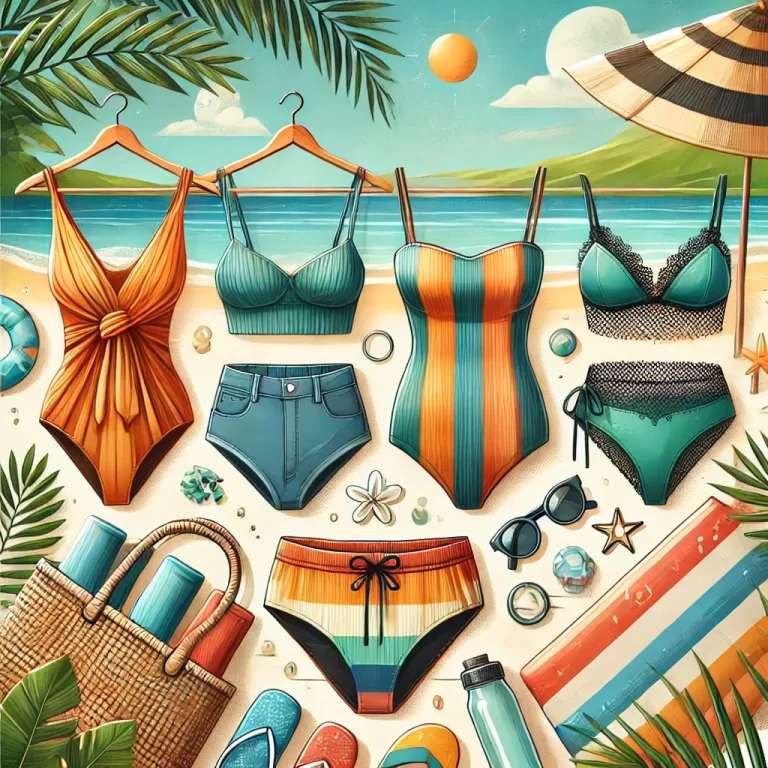

UV Protection Swimwear: Stay Safe, Comfortable, and Shielded from Harmful Sun Rays
Wear UV protection swimwear that protects your skin from harmful rays and keeps you comfortable. Explore breathable, stylish designs with certified UPF protection—because your skin deserves the best protection against the sun.
Are you concerned about sun damage while swimming? Swimwear that protects your skin from harmful rays while keeping you comfortable. Explore breathable, stylish designs with certified UPF protection—because your skin deserves the best protection against the sun.
Why It Matters
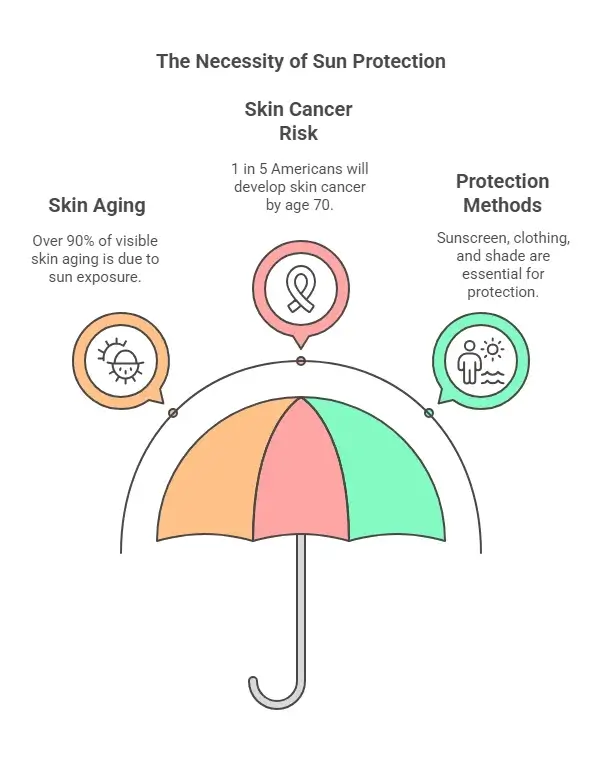
Spending time in the sun feels amazing—but those warm rays carry hidden risks. Prolonged exposure to ultraviolet (UV) radiation can lead to severe skin damage, premature aging, and even skin cancer. While sunscreen is a helpful line of defense, it’s not foolproof. That’s where swimwear with built-in protection steps in, offering a reliable and hassle-free shield against harmful rays.
The Hidden Danger of UV Rays
UV radiation is invisible, but its effects are all too real. There are two main types to worry about:
- UVA Rays: These penetrate deep into the skin, causing premature aging, wrinkles, and long-term cellular damage.
- UVB Rays: Responsible for sunburn, these rays damage the skin’s outer layers and are a primary cause of skin cancer.
🧵 How UV Protection Swimwear Works
UV protection swimwear isn’t just regular swim gear with a fancy label. It’s engineered with specialized fabric to block UV rays before they reach your skin. Here’s how it works:
Key Features of UV Protection Swimwear:
- 🌞 UPF (Ultraviolet Protection Factor): Blocks harmful UV rays effectively.
- 🧵 Tightly Woven Fabrics: Dense weaves reduce UV penetration.
- 🧪 Chemical Treatments: Enhances protection while maintaining breathability.
Why Regular Swimwear Isn’t Enough
You might think any swimsuit protects your skin, but that’s a risky assumption. Most standard swimwear offers minimal defense against UV rays—especially when wet. Here’s the catch:
- Limited Coverage: Traditional swimsuits expose large areas of skin to direct sunlight.
- Fabric Breakdown: Chlorine, saltwater, and repeated washing weaken standard fabrics, reducing any natural UV resistance over time.
- Inconsistent Protection: Wet fabric loses up to 50% of its sun-blocking ability, leaving you more vulnerable during long swims.
On the other hand, maintains its defense whether wet or dry, offering consistent protection for all-day sun exposure.
Best UV Protection Swimwear for Different Needs
When it comes to shielding your skin from harmful UV rays, one size doesn’t fit all. Whether you want top-tier protection, stylish designs, or something for the little ones, there’s a perfect swimwear option for every lifestyle. Let’s break down the best choices to keep you safe while enjoying the sun.
Best Overall:
If you want all-day protection without compromising comfort, go for swimwear with a UPF 50+ rating—the gold standard for blocking 98% of harmful UV rays. The best options combine:
- Lightweight, breathable fabrics that feel good on your skin.
- Four-way stretch for easy movement during swimming or lounging.
- Flatlock seams to prevent chafing during long wear.
Look for: UPF 50+ certification, quick-drying materials, and full-body coverage options like rash guards or swim leggings.
Most Stylish UV Swimwear
Who says sun-safe can’t be chic? Modern UV swimwear blends trendy silhouettes with advanced sun protection. These pieces are perfect if you want to stay fashionable while guarding against sun damage.
Popular style options include:
- Long-sleeve swimsuits in bold prints for full-arm protection.
- High-neck designs that shield your chest—an often-overlooked sunburn spot.
- Convertible cover-ups that double as casual beachwear.
✅ Look for: UPF-rated fabrics with sleek designs and vibrant color choices.
Best for Kids
Children’s skin is more sensitive to UV rays, making proper protection a must. The best UV swimwear for kids focuses on comfort and maximum coverage without restricting playtime.
Key features for kid-friendly UV swimwear:
- Full-body suits with long sleeves and leg coverage.
- Zipper closures for easy on-and-off dressing.
- Chlorine-resistant fabrics for lasting protection, even after multiple washes.
✅ Look for: UPF 50+ protection, flat seams for sensitive skin, and bright designs that kids love.
Budget-Friendly UV Swimwear
It’s not necessary to spend a lot of money to protect your skin. UV swimwear that meets the UPF 50+ standard can be found at an affordable price. It’s important to concentrate on essential features and avoid unnecessary extras. Search for UPF ratings that have been verified, durable stitching, and materials that can withstand washing.
What to expect from budget-friendly options:
- Simplified designs that prioritize function over fashion.
- Basic rash guards and swim leggings offering excellent protection.
- Multi-pack options for families looking to save.
Best for Water Sports Durable, Flexible Options for Active Swimmers
Surfing, paddle boarding, or beach volleyball requires UV swimwear that is durable. Active wear pieces that offer flexibility, durability, and secure fits that stay in place during intense movement are the best.
Ideal for water sports:
- Compression-fit rash guards for muscle support and UV protection.
- Reinforced seams to withstand saltwater, chlorine, and sun exposure.
- Quick-dry technology to stay comfortable between dives.
Look for: UPF 50+, stretch fabrics that move with you, and athletic cuts for full mobility.
Key Features to Look for in
Choosing the right one goes beyond style—it’s about safeguarding your skin while staying comfortable and active. Here’s a breakdown of the essential features to keep in mind when shopping for the best sun-safe swimwear.
UPF Rating Explained
UPF (Ultraviolet Protection Factor) is the gold standard for measuring fabric’s ability to block harmful UV rays. Think of it as sunscreen built into your clothing—but without the need for reapplication.
- UPF 50+ blocks 98% of UVA and UVB rays, reducing your skin’s exposure to sun damage.
- UPF 30-49 offers good protection, blocking 96-97% of UV radiation.
- Anything below UPF 30 isn’t sufficient for extended sun exposure.
Pro Tip: Always look for UPF 50+ certification for maximum protection, especially if you plan to spend long hours under the sun.
Material Matters
The right fabric can make or break your comfort in UV swimwear. High-quality materials protect your skin while ensuring you stay cool and dry.
Look for these fabric qualities:
- Polyester blends: Lightweight, durable, and naturally UV-resistant.
- Nylon with elastane (spandex): Flexible for easy movement but still protective.
- Chlorine-resistant coatings: Essential for frequent pool use to prevent fabric breakdown.
- Quick-dry technology: Keeps you comfortable when transitioning from water to land.
Tip: Choose breathable, moisture-wicking fabrics to prevent overheating and ensure all-day comfort.
Coverage Counts
The more skin you cover, the greater your protection, but comfort and mobility also play a role. A professional recommendation suggests that long-sleeve options provide superior protection, while short-sleeve styles are suitable for casual swims in milder sun conditions.
| Feature | Long-Sleeve UV Swimwear | Short-Sleeve UV Swimwear |
|---|---|---|
| Sun Protection | Maximum coverage for arms and torso | Moderate coverage; leaves arms exposed |
| Ideal Use | Extended sun exposure (surfing, boating) | Casual swimming and quick dips |
| Comfort Level | May feel warmer but better for protection | Cooler but less comprehensive coverage |
| Best For | Water sports, kids, sensitive skin | Recreational swimmers, warmer climates |

Comfort & Fit
A well-fitted UV swimsuit should feel snug without restricting your range of motion. Ill-fitting swimwear can cause discomfort and reduce protection.
Key sizing considerations:
- Snug but not tight: Should fit close to your skin to prevent sun penetration.
- Flexible fabrics: Ensure easy movement for active sports.
- Flatlock seams: Prevent chafing and irritation during extended wear.
Pro Tip: Always check the brand’s sizing chart—UV swimwear sizing can vary between manufacturers.
Durability Resistant to Salt, Chlorine, and Sun Exposure
Frequent sun and water exposure can wear down swimwear over time. Investing in durable UV protection means your gear lasts longer and keeps you safe.
Look for these durability markers:
- Chlorine-resistant fabrics for pool swimmers.
- Saltwater-safe materials for beach lovers.
- Fade-resistant dyes to maintain color even after sun exposure.
Pro Tip: Rinse your UV swimwear with freshwater after every use to prolong its lifespan.
Solving Common Problems
Even with the best UV protection swimwear, a few common problems can pop up. From wondering if it really works to keeping it comfortable and long-lasting—let’s tackle these concerns head-on and find simple, effective solutions.
Does UV Swimwear Really Block the Sun?
Yes—when it’s UPF-rated, UV swimwear is incredibly effective at blocking harmful sun rays. But not all swimwear is created equal.
Here’s what to know about UV swimwear’s effectiveness:
- UPF 50+ blocks 98% of UV rays, reducing your skin’s exposure significantly.
- Regular swimwear—without UV technology—typically has UPF 5-10, offering minimal protection.
- UV protection is woven into the fabric or added through a specialized treatment, ensuring consistent coverage.
✅ Solution: Always choose UPF 50+ certified swimwear for maximum protection, especially if you’re spending hours outdoors. Look for verified labels like “Tested UV Standard 801” for the most reliable performance.
Finding the Right Fit Avoiding Saggy or Overly Tight Swimwear
A poor fit is one of the biggest frustrations with UV swimwear—it can either sag when wet or feel too tight to move comfortably.
Here’s how to find that sweet spot:
- Check fabric composition: Look for a blend of nylon and spandex for a snug, stretchable fit.
- Size accurately: Measure your bust, waist, and hips, and compare with the brand’s size chart—don’t rely on your usual clothing size.
- Test the stretch: Swimwear should fit snugly but allow full movement without pinching.
Solution: Prioritize brands that offer multi-size guides or flex-fit designs. If you’re between sizes, size down—UV swimwear stretches slightly when wet.
Fading and Wear
Over time, sun exposure, chlorine, and saltwater can break down swimwear fabric—reducing both its color and UV-blocking abilities.
To extend the life of your UV swimwear:
- Rinse immediately after use with cool, fresh water—especially after swimming in pools or the ocean.
- Avoid harsh detergents—use a mild soap and hand-wash instead of machine washing.
- Air-dry in the shade—direct sunlight weakens UV protection and fades fabric faster.
- Rotate suits—frequent use wears down materials, so having a couple of suits extends the life of both.
✅ Solution: Treat your UV swimwear like performance gear—gentle care keeps it protective for up to two years with regular use.
Comfort in Hot Weather
Wearing UV protection doesn’t mean you have to overheat—the right materials make a world of difference in warm climates.
Look for these cooling features:
- Moisture-wicking fabrics that pull sweat away from your skin.
- Lightweight blends of polyester and elastane for flexibility and breathability.
- Mesh panels in strategic areas to promote airflow without compromising UV protection.
Solution: Choose quick-dry, breathable fabrics if you’ll be active in the heat. Brands specializing in performance swimwear often offer the best balance between protection and comfort.
UV Protection for Different Activities
Not all UV protection swimwear is created equal—different activities call for different features. Whether you’re lounging on the beach, riding waves, or chasing kids around, the right gear makes all the difference in staying protected and comfortable.
Beach Days
Long hours under the sun demand breathable, easy-to-wear UV swimwear that won’t weigh you down.
What to Look For:
- UPF 50+ rating for maximum sun protection.
- Lightweight, quick-dry materials to keep you cool.
- Loose-fit rash guards or cover-ups for extra airflow.
✅ Best Choice: Look for flowy UV cover-ups or lightweight swim shirts. They offer solid protection while feeling like a second skin—perfect for soaking up the sun without the burn.
Swimming & Surfing
For active water sports, you need UV swimwear that moves with you and holds its shape—even when wet.
What to Look For:
- Four-way stretch fabric (like a nylon-spandex blend) for flexibility.
- Flatlock seams to prevent chafing during extended wear.
- Snug fits to avoid drag or shifting in the water.
✅ Best Choice: Long-sleeve rash guards or full-body swimsuits offer UV protection and freedom of movement, keeping you shielded no matter how wild the waves get.
Kids’ Playtime
Kids are constantly on the move, so UV protection should be full coverage and hassle-free for parents.
What to Look For:
- Zippered or snap closures for easy dressing.
- Long-sleeve swimsuits or one-piece suits for better coverage.
- Chemical-free UV protection—gentle on sensitive skin.
✅ Best Choice: Go for zip-front, full-coverage suits. They’re simple to put on and provide reliable protection—even during endless hours of play.
Outdoor Sports
Outdoor enthusiasts need UV swimwear that offers protection without sacrificing performance.
What to Look For:
- Moisture-wicking fabric to keep you dry during intense activities.
- Stretch panels for added range of motion.
- Compression fits for extra support during vigorous movement.
Best Choice: Performance UV shirts or hybrid rash guards designed for active sports. They deliver sun safety without restricting your every twist and turn.
Care Tips to Extend the Life of UV Protection Swimwear
Preserving your UV protection swimwear’s sun-blocking power is more than just looking good. With a little extra attention, you can ensure that your swimwear stays effective and comfortable for seasons to come.
Rinse Immediately
Chlorine, saltwater, and sunscreen can break down UV-blocking fibers over time.
What to Do:
- Rinse your swimwear thoroughly with cold, fresh water right after swimming.
- Avoid soaking for long periods—just a quick rinse will do.
Tip: If you can’t rinse immediately, keep your swimwear damp in a plastic bag until you get home.
Air Dry in Shade
Direct sunlight can weaken the UPF coating and fade colors faster.
What to Do:
- Lay swimwear flat in the shade to dry.
- Avoid wringing out excess water, which can stretch the fabric.
Tip: Drying in the open air keeps swimwear fresh while protecting the UV shield.
Avoid Harsh Detergents
Aggressive detergents and bleach can strip UV-resistant coatings and weaken the fibers.
What to Do:
- Use a mild, fragrance-free soap designed for delicates.
- Hand wash gently—machine washing can be too rough.
Tip: Skip fabric softeners—they leave a residue that reduces UV protection.
Proper Storage Keeping Swimwear in a Cool, Dry Place
Improper storage can cause UV swimwear to stretch, fade, or lose elasticity.
What to Do:
- Store in a cool, dry place away from direct sunlight.
- Keep swimwear flat or gently folded—no tight rolls that stress the fibers.
Tip: Avoid plastic bags for long-term storage; they trap moisture and encourage mildew.
Choosing the Right UV Protection Swimwear
Not all swimsuits are created equally when it comes to UV protection swimwear. The correct choice is dependent on your plan to use it, your budget, and the brands you trust to protect you. Learn how to make a decision that is smart, well-informed, and meets your needs.
Match to Your Activity
The right swimwear enhances both comfort and protection, whether you’re lounging by the beach or riding waves.
Consider These Factors:
| Activity | Recommended Swimwear |
|---|---|
| Beach Relaxing | Lightweight, breathable fabrics with full UV cover |
| Swimming & Surfing | Stretchable, form-fitting suits to stay in place |
| Kids’ Playtime | Easy-to-wear, full-coverage designs for active kids |
| Outdoor Sports | Flexible, durable suits that allow full movement |
Tip: For water sports, choose chlorine-resistant materials to prevent wear and tear.
Balancing Cost and Quality
While cheaper options may seem appealing, high-quality UV swimwear often delivers better protection and lasts longer.
When to Invest in Premium:
- Frequent Use: If you’re regularly in the sun, premium swimwear pays off with better durability.
- Extended Sun Exposure: High UPF ratings (50+) offer better defense during long outdoor activities.
- Comfort Matters: Premium brands often use soft, stretchable fabrics that won’t chafe or sag.
Tip: Look for certified UPF ratings—don’t settle for vague “UV protection” labels.
Trusted Brands
Sticking with reputable brands ensures you get reliable protection and long-lasting quality.
Top-Rated Brands to Explore:
- Coolibar: Known for medical-grade UV protection with stylish designs.
- Rip Curl: Durable, performance-driven swimwear for surfers and swimmers.
- Speedo: Affordable yet effective UPF-rated suits for all ages.
- Roxy & Quiksilver: Fashion-forward options without compromising sun safety.
Tip: Check customer reviews for insights on fit, comfort, and durability before buying.